Sheet music
Free piano sheet music for beginners
34 easy pieces to print, from Hot Cross Buns to Chopin's Nocturne: real two-hand piano scores, every one free and in the public domain. Open any piece to hear it, see the tune in letters, and watch the score light up as it plays.
First pieces
One hand position, mostly one note at a time: the place to start reading.
Beginner
Both hands, simple chords in the left, a few more notes to find.
Early intermediate
The famous classical first pieces: more movement, more expression.
Intermediate
Moonlight, the Turkish March and Chopin's Nocturne, kept to their famous parts.
How to choose your first piece
- Pick a tune you know. If you can hum it, your ear will tell you when a note is wrong, and reading becomes checking rather than guessing.
- Start in one hand position. The first pieces here keep each hand over five keys, so you can keep your eyes on the music instead of your hands.
- Read the right hand first. Play the top staff alone until it flows, then the bottom staff alone, then put them together slowly.
- Count before you play. Look at the time signature (the two numbers after the clef) and count one bar out loud before you start. A metronome keeps you honest.
Reading the score
The top staff, in treble clef, is usually your right hand; the bottom one, in bass clef, your left. The sharps or flats right after the clef are the key signature: they apply to every note on that line or space, all the way through. New to the shapes of the notes? Note values explains how long each one lasts, and how to read sheet music puts it all together.
Printing
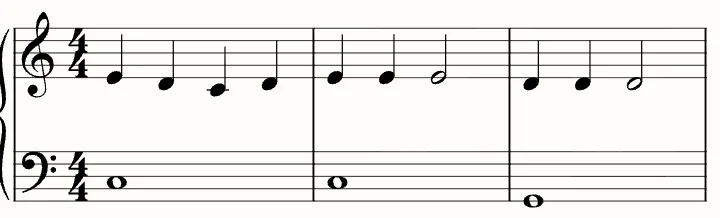
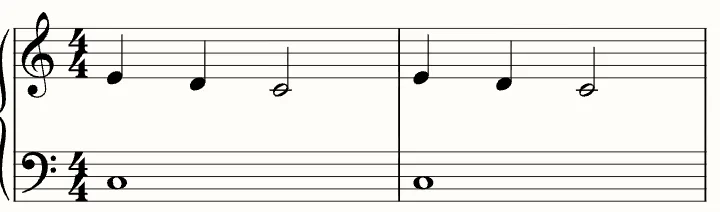
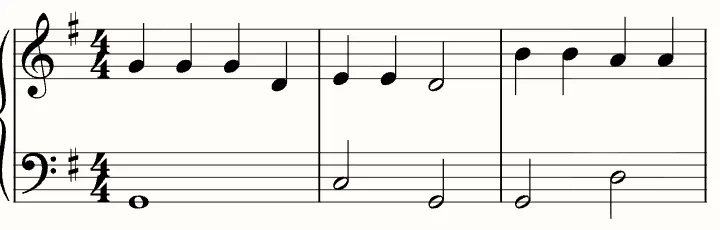
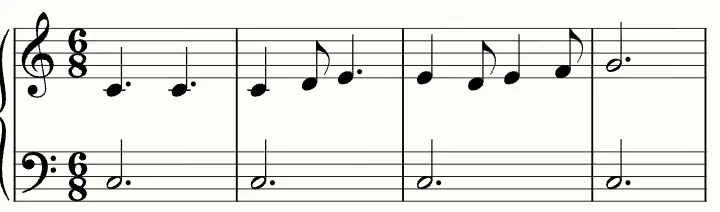
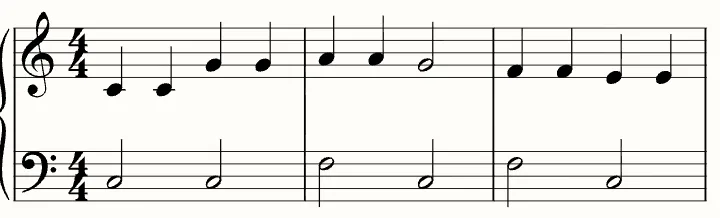
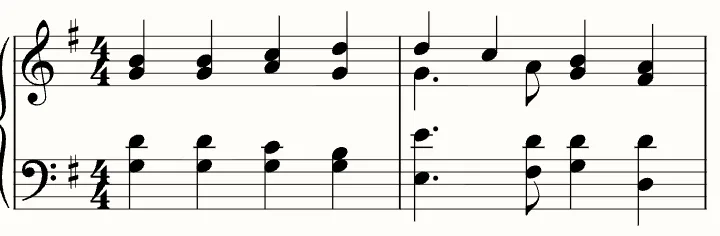
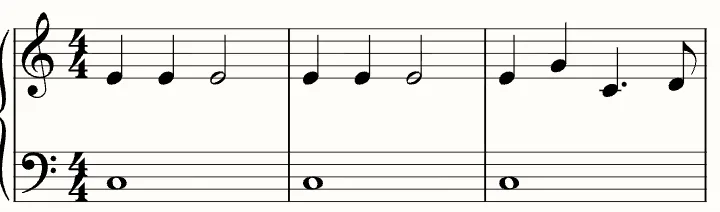
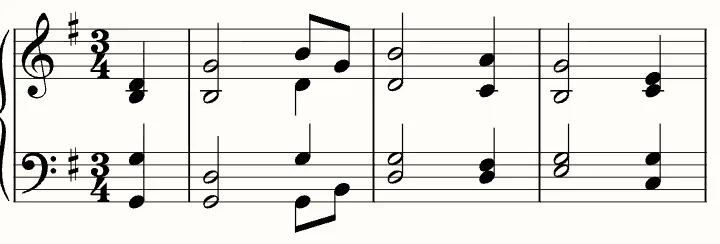
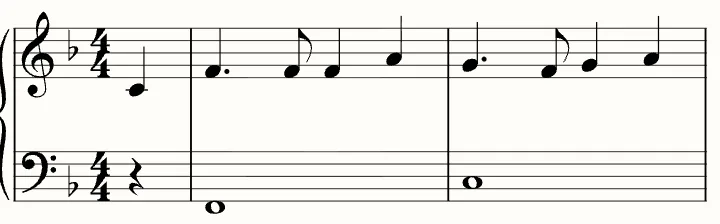
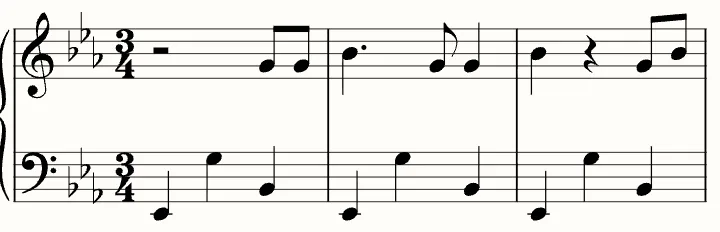
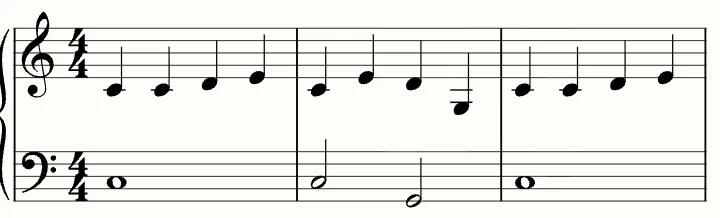
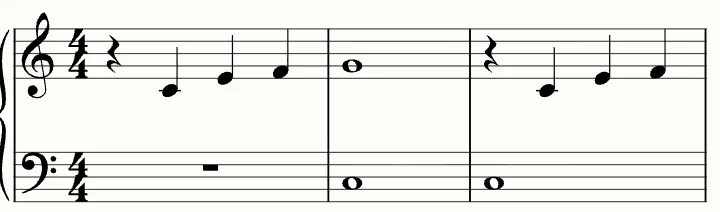
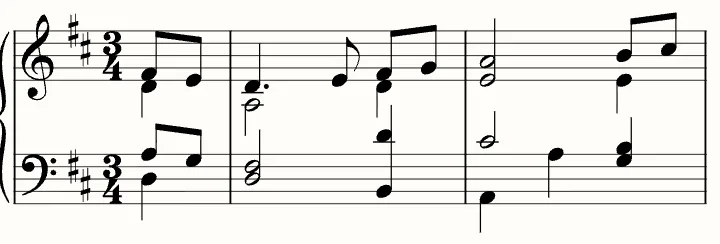
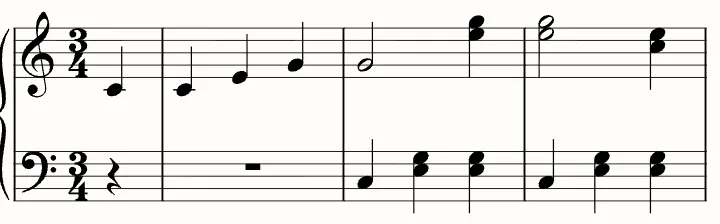
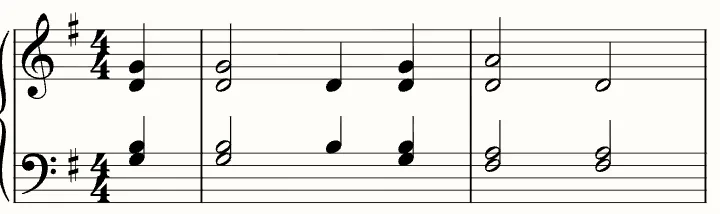
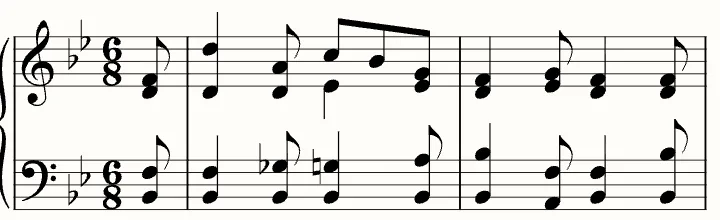
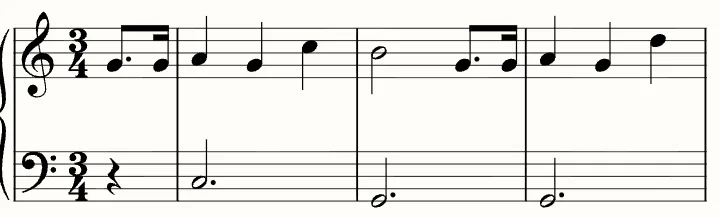
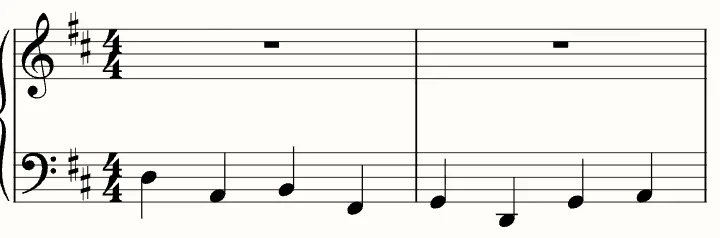
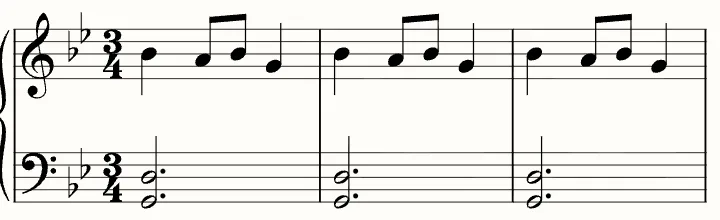
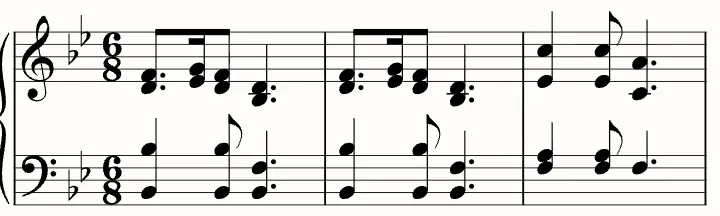
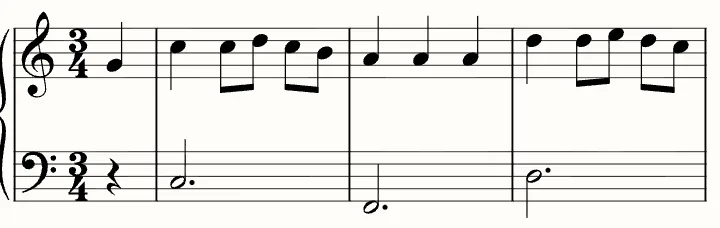
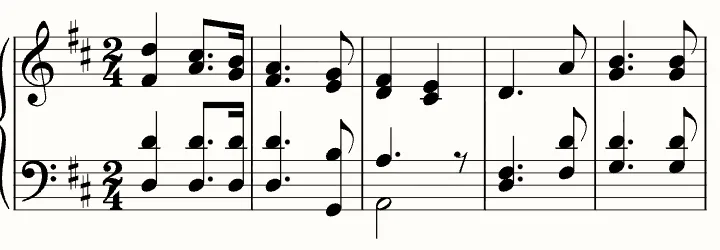
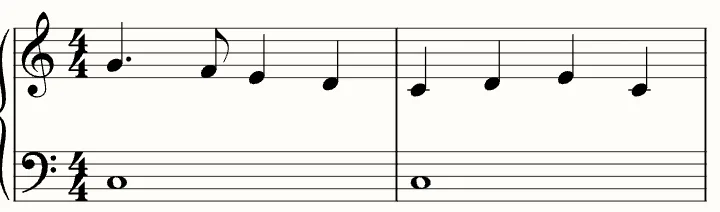
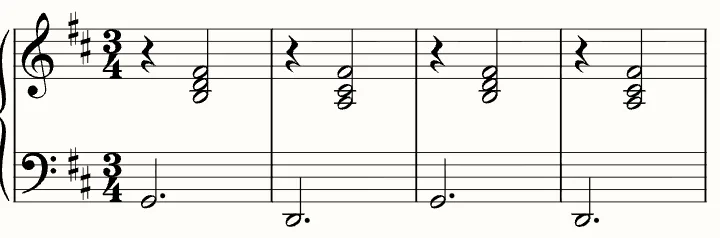
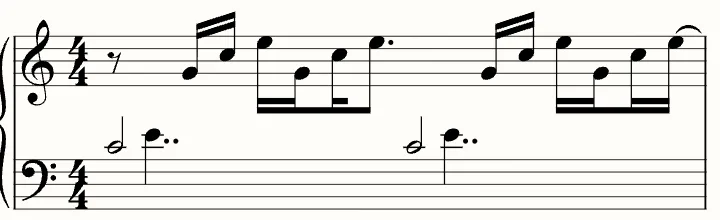
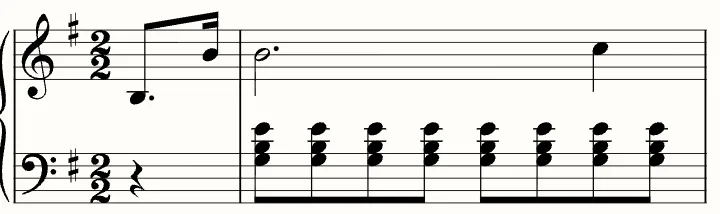
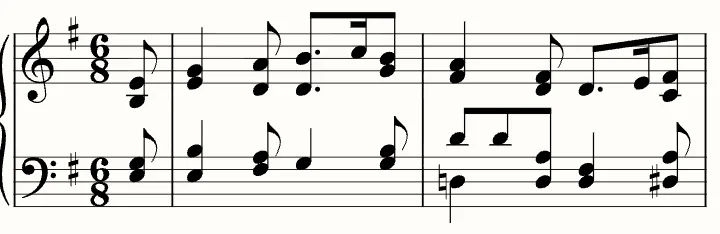
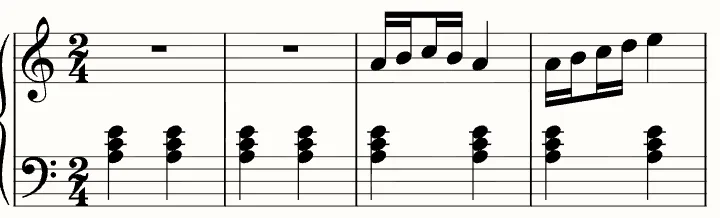
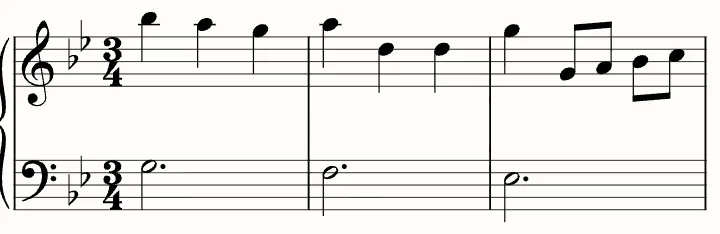
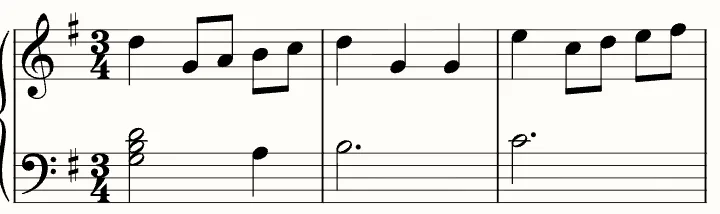
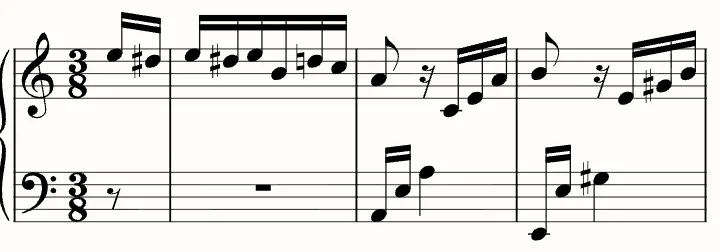
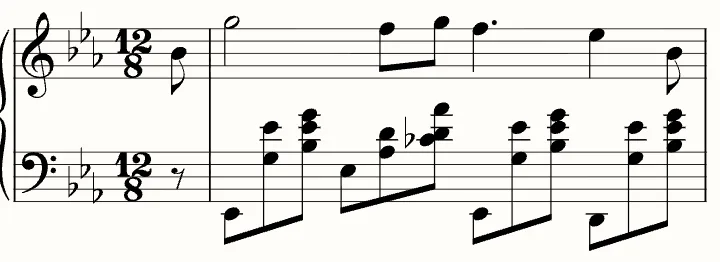
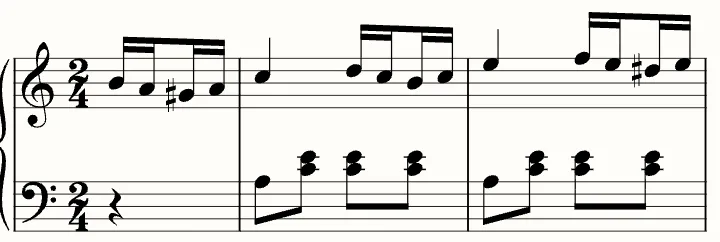
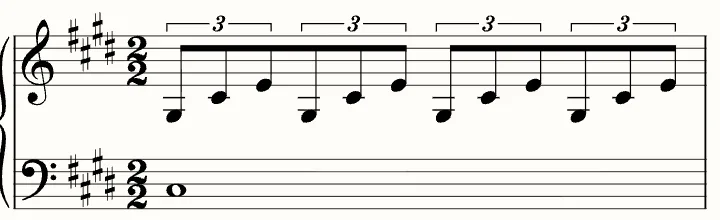
Press Print on any piece to print the whole score on its own, sized for A4 or US Letter. In the print window you can also choose Save as PDF to keep it on a tablet. Each score's first line is shown above, so you can see how busy the page is before you choose.
Reading it, but not sure it's right? Ivory listens to you play and tells you what's off: a note that's missing, a hand that lands late, a rhythm that's off. Then it shows you how it should go.
Questions people ask
Is this sheet music really free?
Yes. All 34 pieces are free to view, print or save as a PDF, with no sign-up. The tunes are all in the public domain, and the piano arrangements were made for this site.
What is the easiest piano sheet music for a beginner?
Hot Cross Buns, Mary Had a Little Lamb and Twinkle Twinkle Little Star: one hand position, mostly one note at a time, and tunes you already know, so your ear can check your reading. Ode to Joy and Jingle Bells come next.
Is there piano sheet music with letters?
Every piece here opens on a page with the tune in letter names (C D E…) above the sheet music, and a player that lights up each note on the score as it sounds. Letters get you playing on day one; the staff is what lets you read anything.
How do I print it?
Press Print on any piece: it prints the whole score on its own, without the rest of the page. To save it instead, choose “Save as PDF” in the print window.
What should I learn after these?
When the intermediate pieces here feel comfortable, the full versions of the classical pieces are in the public domain too: IMSLP and the Mutopia Project have the complete scores.
Where else can I find free piano sheet music?
IMSLP (the Petrucci Music Library) has hundreds of thousands of public-domain scores, mostly scans of the original editions, so they're complete rather than simplified. The Mutopia Project has newly typeset public-domain editions; several pieces here were checked against them.